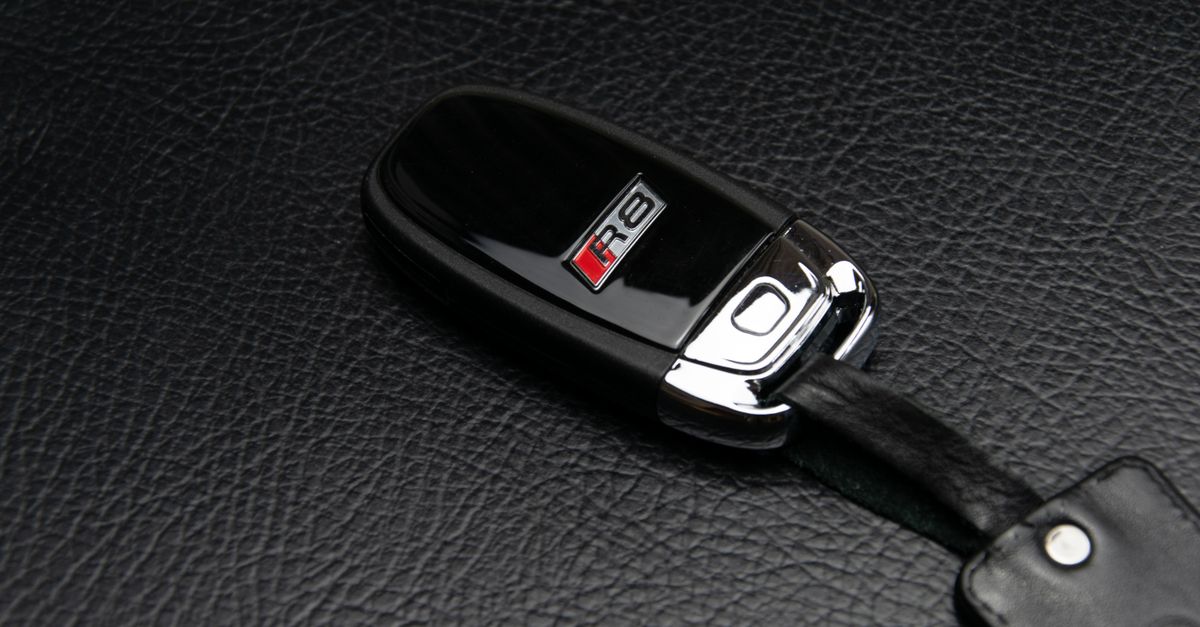
What Makes Audi Car Key Replacement More Involved Than Most
Audi has progressively raised the bar on vehicle security across every generation of its lineup. Early models used basic transponder chips embedded in the key blade — a radio-frequency chip that must be matched to the car's ECU before the engine will start. Later Audi models introduced encrypted rolling-code transponders, and current vehicles rely on proximity smart keys that communicate with the car's comfort-access module from inside your pocket. Each generation requires different hardware and different programming protocols, which is why the technician arriving at your location carries diagnostic equipment capable of reading your vehicle's existing immobilizer data and writing a new key to match it exactly.
There is also the physical key blade to consider. Audi uses laser-cut, high-security sidewinder blades on most modern models — a profile that cannot be duplicated on a standard key machine. Our technicians use dedicated Audi-compatible cutting equipment to replicate these profiles with precision. The result is a fully functional key that starts the vehicle, operates the locks, and triggers any remote or smart-key features the car supports — all completed on-site, often within the same service call.