Why Broken Key Extraction Demands a Professional Hand
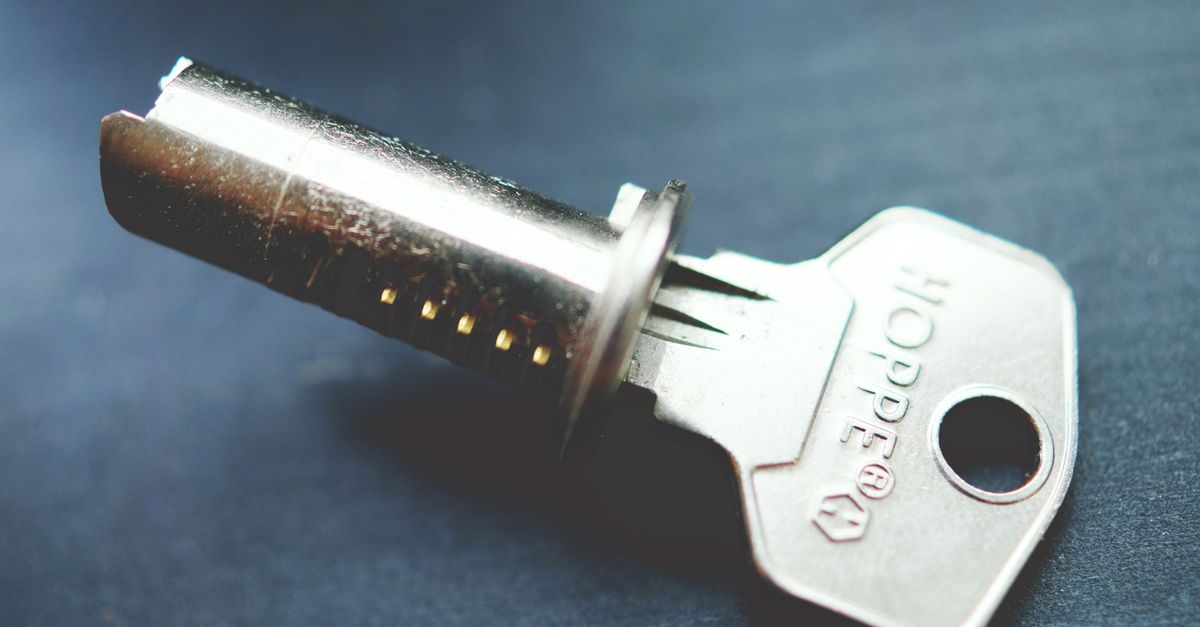
When a key snaps, it almost always breaks at the bow-to-blade transition point, leaving a thin metal fragment seated at or just inside the keyway entrance. The temptation to grip it with needle-nose pliers is understandable, but that approach works only when a visible portion protrudes far enough to grab cleanly — and even then, uneven pressure can snap the fragment again or rotate it sideways, wedging it firmly against the warding cuts of the cylinder. Mortise lock cylinders, which are common in older Norfolk commercial buildings and in the renovated Victorian storefronts along Granby Street, present an additional complication: their longer cylinders and tighter tolerances leave almost no margin for improvised retrieval. A trained technician uses purpose-built broken key extractor hooks, spiral extractors, and pin-vice tools sized specifically to the keyway profile, applying controlled tension so the fragment is coaxed outward without collateral damage.
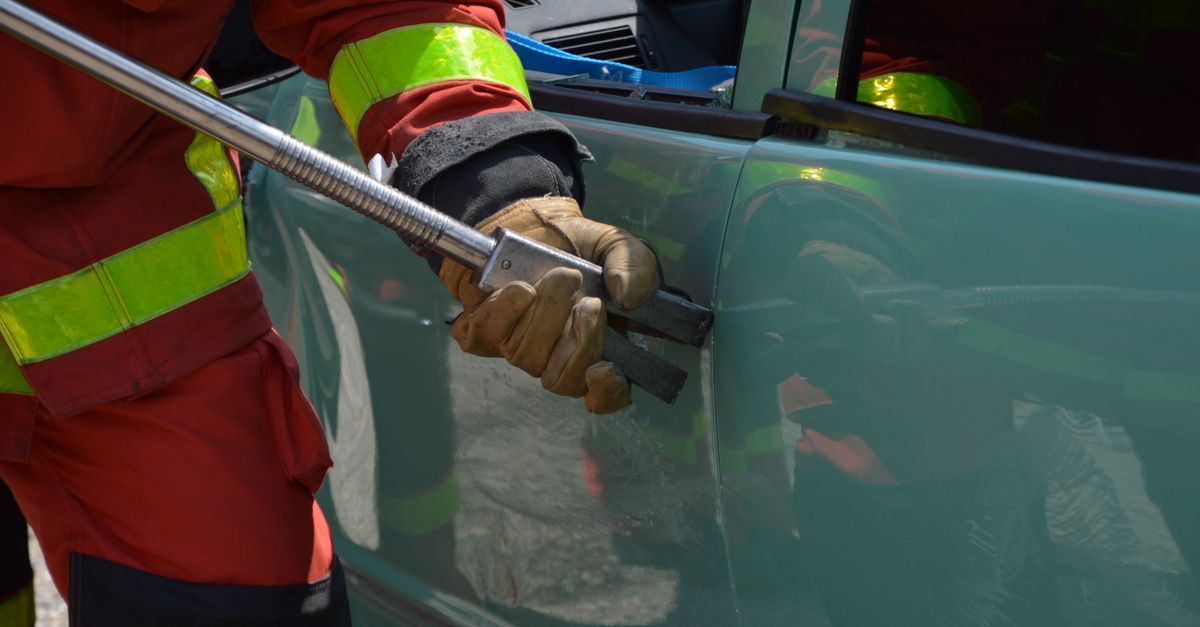
The same caution applies to vehicle ignition cylinders. Modern car keys carry transponder chips, and the ignition barrel itself is a precision component. Forcing a fragment out incorrectly can damage the wafer stack inside the ignition, turning a straightforward extraction into a full ignition replacement — a far more involved and costly repair. Our experienced technicians are trained to read the situation first: they assess the depth of the fragment, check whether the cylinder is in the locked or unlocked position, and select the right extraction method before they begin. That diagnostic step alone separates professional service from a rushed DIY attempt.